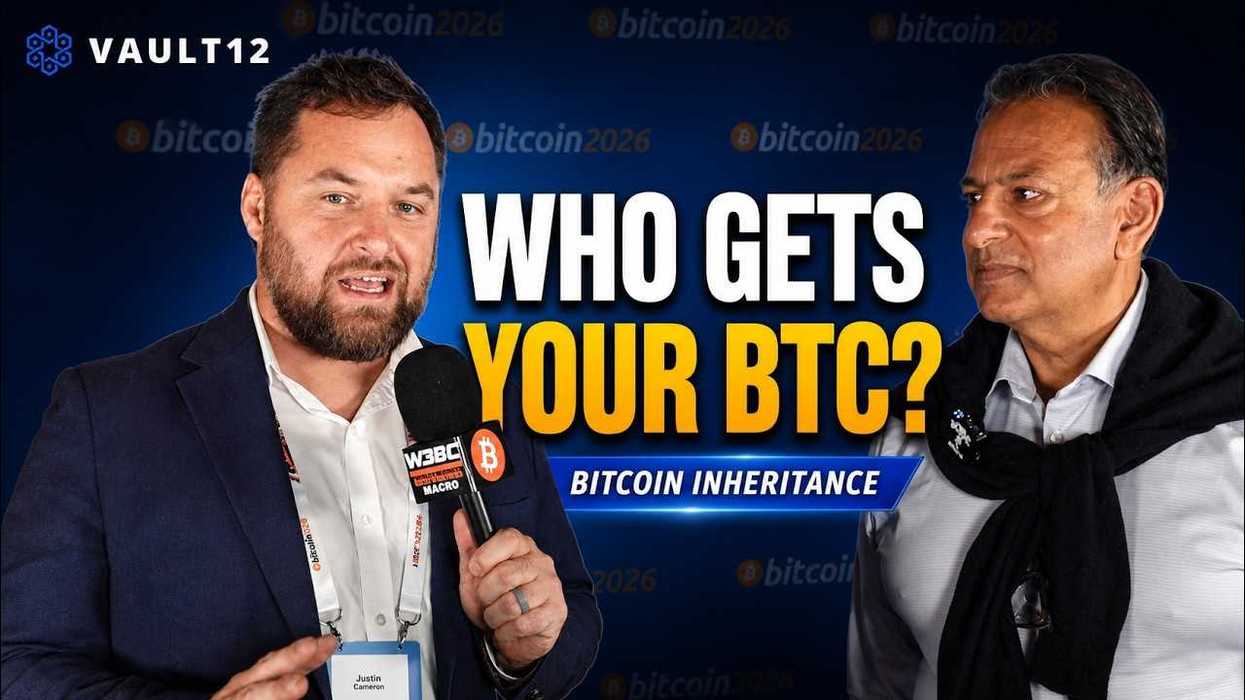

Who Gets Your $BTC?
Bitcoin 2026, Las Vegas
Interview took place at Bitcoin 2026, Las Vegas.
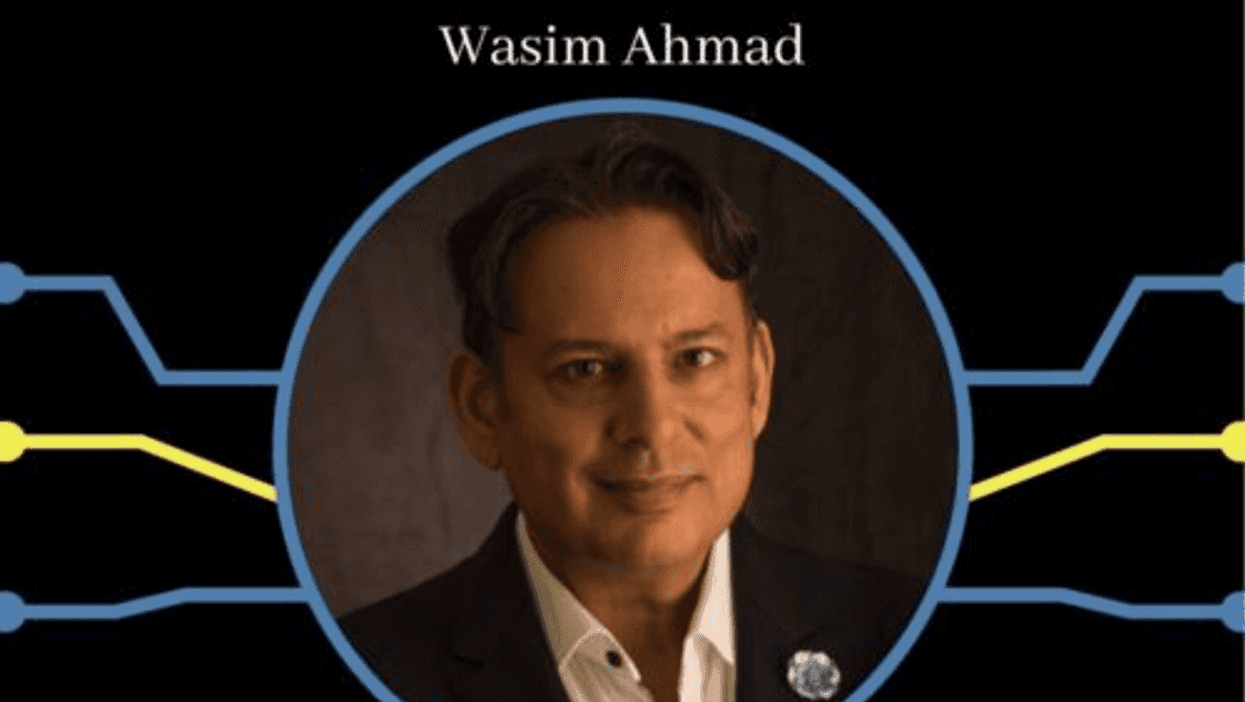
Guest: Wasim Ahmad: Wasim Ahmad, Vault12
Interviewed. by Justin Custardo, JChains.
Youtube: https://www.youtube.com/@TheDigitalChamber/videos
*** Special Offer for Podcast listeners ***
Promo codes for Vault12 Guard
The iOS codes are good for 1 year subscription at no cost, then will revert to standard price for Inheritance plan. iOS codes can be redeemed in the Apple App Store.
The Android codes are good for 90 days subscription at no cost, then will revert to standard price for Inheritance plan. Android codes are redeemed when selecting and paying for the Inheritance plan in the app.
Instructions for how to redeem here.
Code: CMNYC26
iOS: https://apps.apple.com/redeem?ctx=offercodes&id=1451596986&code=CMNYC26
Android: Enter code CMNYC26 when you select the Inheritance plan
Transcript
JChains:
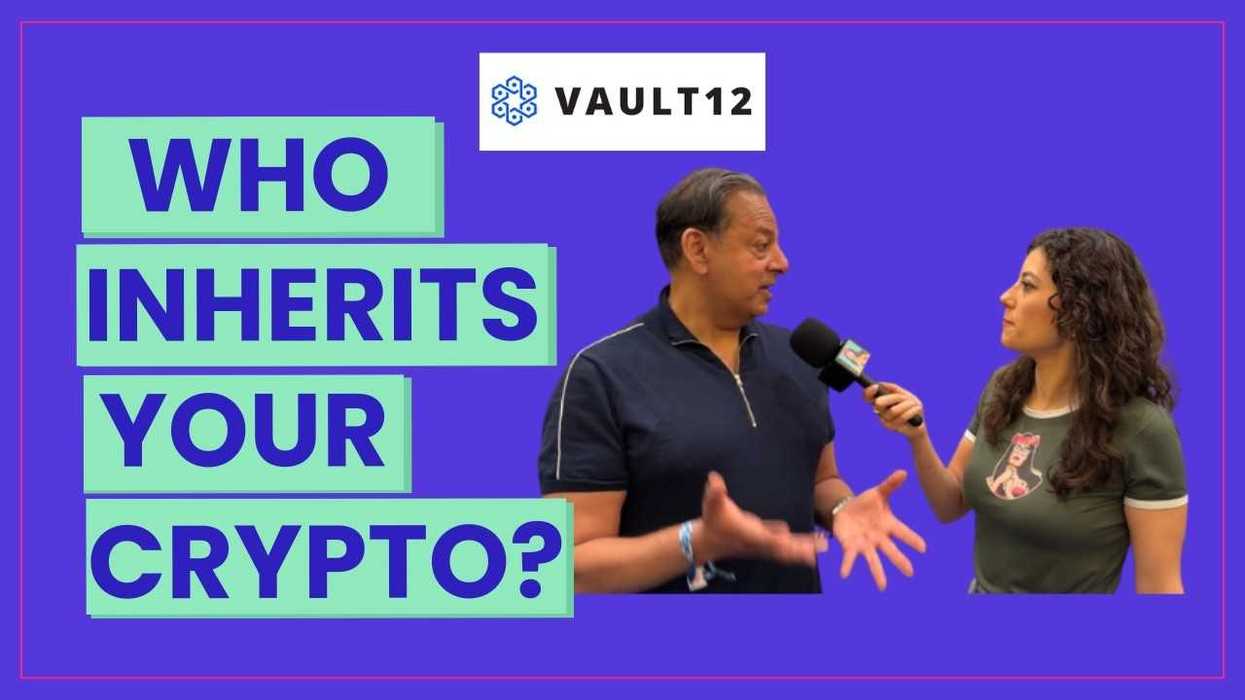
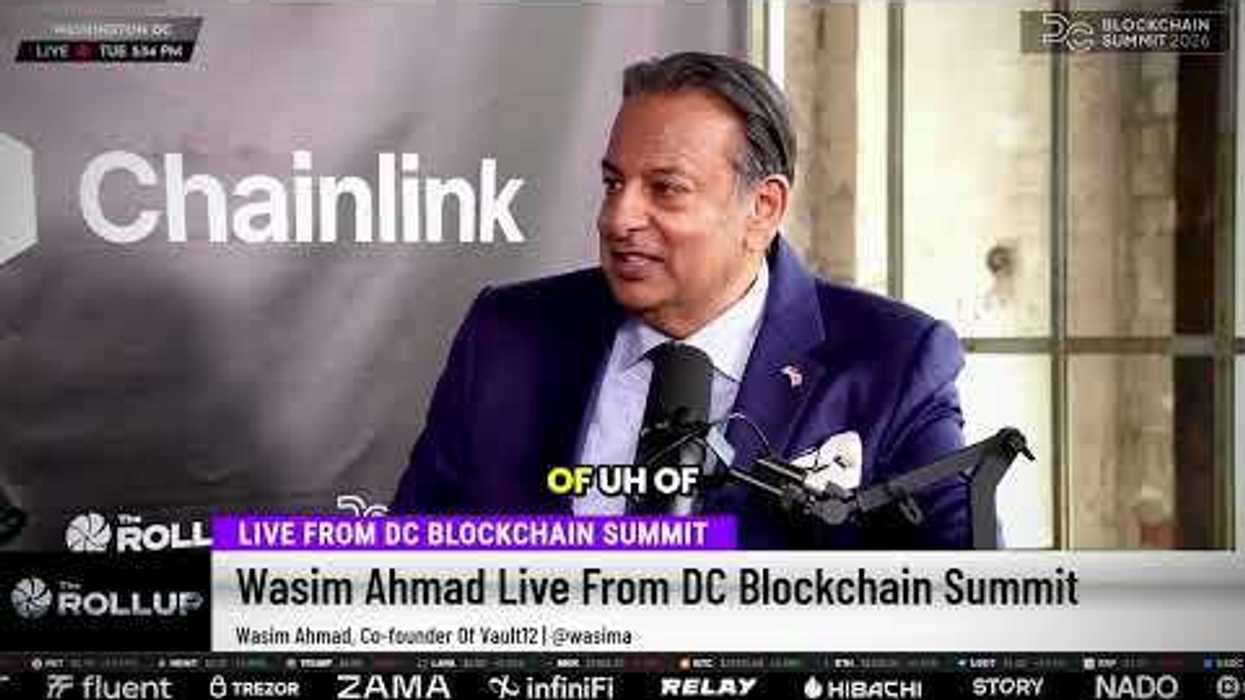
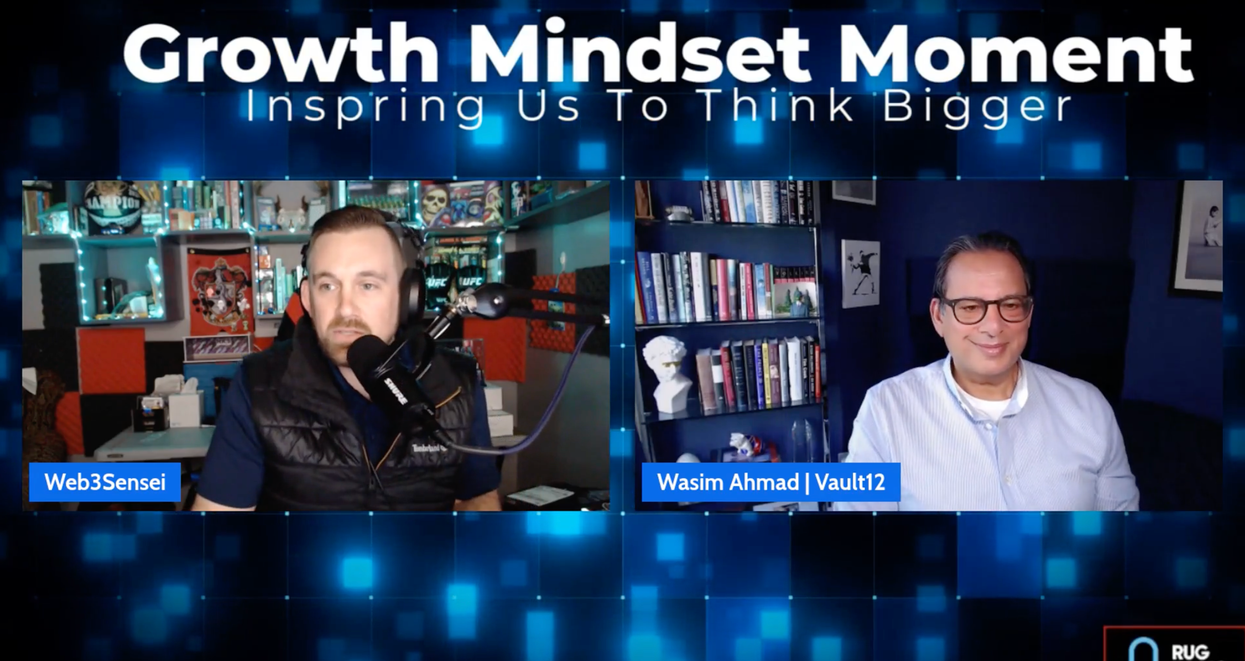
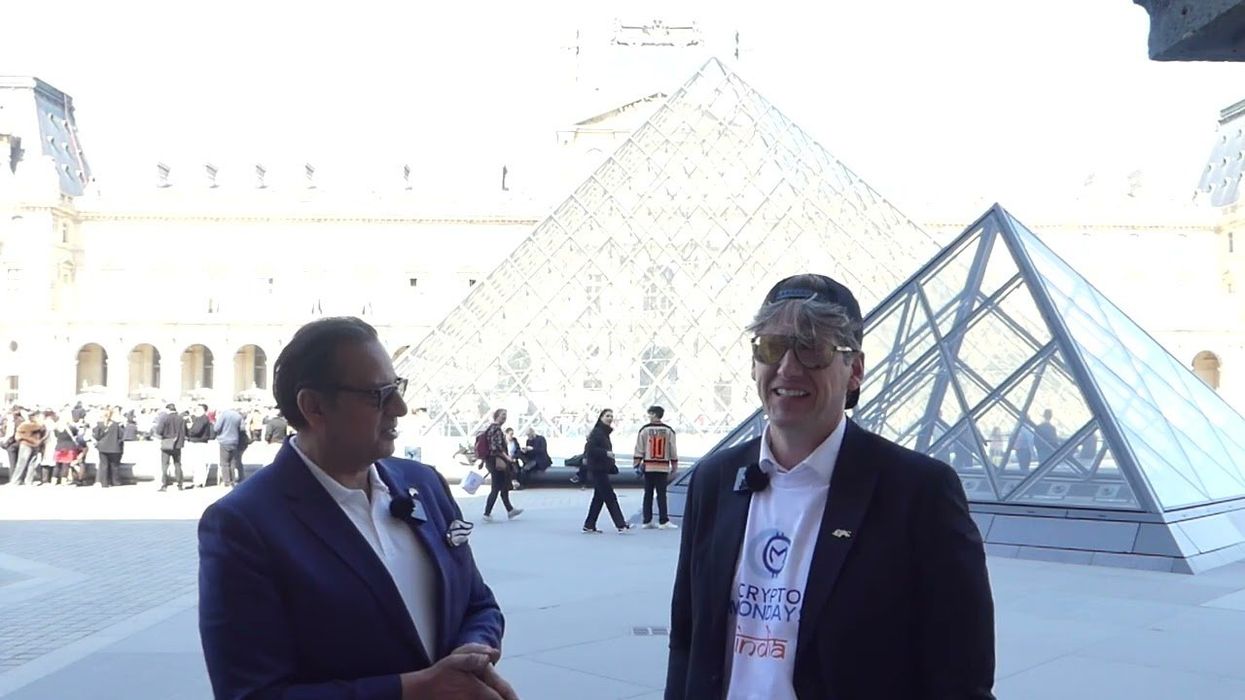
We are here in Las Vegas and I'm standing next to Wasim. Now Wasim, from what I understand, is into Bitcoin inheritance, succession planning, stuff like that. Talk to me.
Wasim Ahmad:
I'm Wasim Ahmad, I have a startup called Vault12 and we are the pioneers of crypto inheritance. We started 10 years ago. And my CEO was at Andreessen Horowitz. He was part of the blockchain team. He helped Coinbase do their funding round. And he realized that once Coinbase was successful, there'd be all these consumers buying Bitcoin. Bitcoin was the only thing around at the time. And they would be responsible for the security of their crypto assets. And they would have to kind of run around and do all kinds of things that we're used to having done for us in the traditional finance. So we created an app. It's in the App Store, in iOS and Google. And it's very simple. It's designed for everyday people. And you create a digital vault, you put your information in. Information could be your seed phrase, it could be a private key, it could be a video of you with riddles explaining what the seed phrase is.
JChains:
How to figure out how to get to it. Yeah.
Wasim Ahmad:
Yeah, exactly. The location of where you buried it. I don't know. It can be anything digital. That information is encrypted, split into pieces, and then those pieces are sent out to what we call guardians. Guardians could be friends, could be family, could be professional relationships that you have.
JChains:
You designate it, which-
Wasim Ahmad:
Yeah, you choose. You choose how many. And you also choose kind of the threshold of, well, if I need access to that private key, I want three out of the nine to say yes. If you don't have that many people that you want as part of the network, you can also use devices that you have, that you own and you control. So three of them could be an old iPad or an Android device, that kind of thing. So it gives you way more flexibility than you get with multi-sig, right? Which is three or five and that's it.
JChains:
Yeah. It's like the next evolution of the multi-sig. That's what's you're saying.
Wasim Ahmad:
And the whole system is decentralized. There's no cloud servers-
JChains:
You don't give up custody, none of that.
Wasim Ahmad:
No. So we're not having custody. There's no information on our servers, Vault12 servers. There's actually nothing on your phone once it's encrypted and distributed. There's just these slivers. And people who have those slivers don't actually know, oh, this represents this much cryptocurrency or this much Bitcoin.
JChains:
Nice.
Wasim Ahmad:
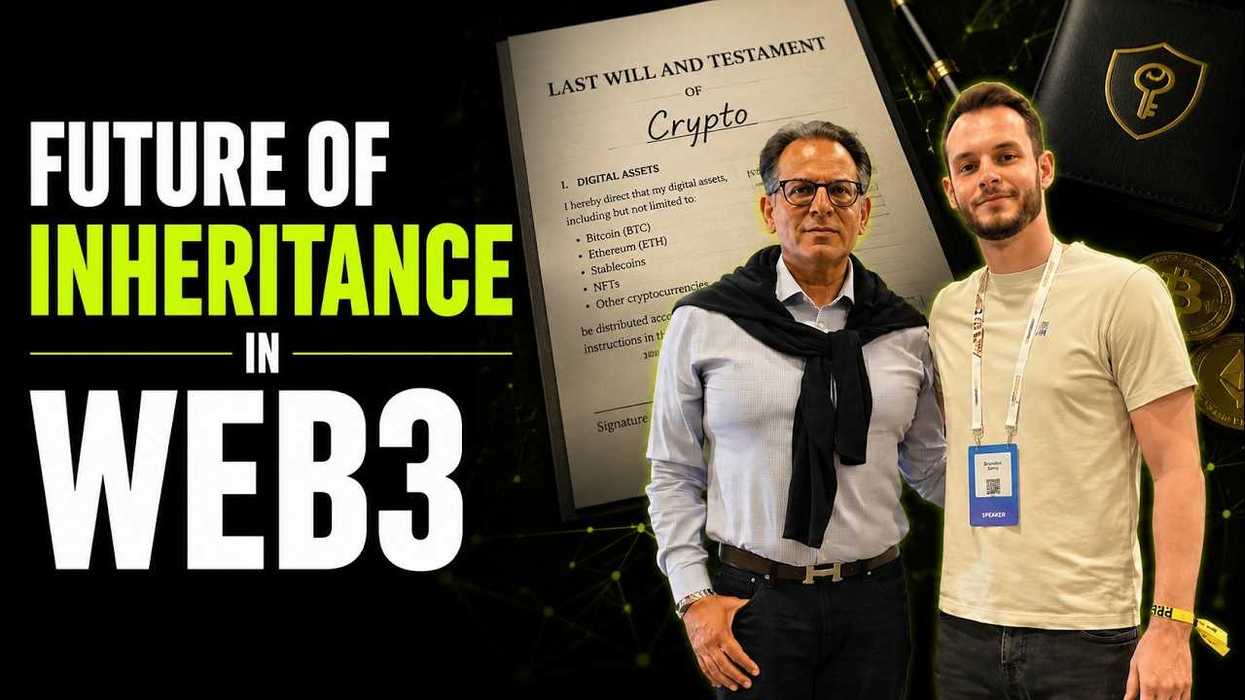
So very simple, very straightforward. And I think the key thing is, is we're at the start of what people are calling the great inheritance. There's going to be a tremendous sort of flow of assets, all kinds of assets, like $67 trillion worth of assets going to younger generations. And about six to seven trillion dollars of that is going to be crypto assets. Which is huge.
JChains:
It's amazing to think and how early we are to... Well, we were early and I think we're kind of like on the outskirts of being early with Bitcoin at least.
Wasim Ahmad:
In the next 12 months we'll start to see Chase and Citibank and all of these TradFi people start to sell Bitcoin. It might be Coinbase behind the scenes that's doing it, with the logo of the banks. I mean, we are hoping that there's like a hundred million new retail crypto investors coming into the market in the next three years. And those are the people that need inheritance.
JChains:
All right. Well, Wasim, I appreciate your time. Anything else you want to say about what you're building?
Wasim Ahmad:
If you own any type of digital asset, whether it's Bitcoin or anything else, you owe it to yourself and your family to make sure that you have a strategy for backing it up and making sure that it can be passed on. And go see a lawyer and make sure you have a will or a trust or something that covers all of that.
JChains:
Do you have best practices that people should be thinking about?
Wasim Ahmad:
Yeah, we kind of described the whole process. We're only doing one piece of it, which is the transportation of the information from you to your beneficiary that's going to then distribute it. But yeah, we have a great website that has all kinds of tips about how to think about this.
JChains:
What's the website?
Wasim Ahmad:
Vault12.com. Vault12.com.
JChains:
All right, there it is. Make sure you guys check it out. Smash the like out of your way out of here and we'll see you guys later. Thank you so much.
- YouTube

Wasim Ahmad
Wasim Ahmad has spent decades at the exact point where deep, difficult technology meets everyday people.
It started early. As a schoolboy in Britain in the 1970s, he was among the first children to learn Prolog, the artificial intelligence language. He went on to the University of Sussex to study Mathematical Physics, then switched to Physics and French so he could spend a year in Paris — an early sign of a career that would keep crossing between the technical and the human. After university, he was an astronaut candidate with the Juno Project, but was too young to be allowed into space.
In the 1990s he joined Synon, the British startup whose software-based code generation won the Queen’s Award for Technology, moving with the company to Marin County, California.
As a founding member of Voltage Security, a Stanford University spinout, he launched the first commercial email encryption built on Identity-Based Encryption — the first genuine breakthrough in public-key cryptography in thirty years — working alongside some of the world’s most renowned cryptographers, including Stanford’s Dan Boneh. When catastrophic breaches hit the payments industry, he helped launch end-to-end protection for the world’s payment systems using format-preserving encryption.
His crypto journey began with AlphaPoint, working with the founding team that launched some of the world’s first cryptocurrency trading exchanges. He then joined Vault12, the pioneer of crypto inheritance, where the mathematics of Adi Shamir’s Secret Sharing — became a product that lets people pass their digital assets safely to the ones they love.
Most recently, he has been lobbying hard in both the United States and the United Kingdom — engaging with the SEC, CFTC and the FCA — to evolve the laws and regulations governing crypto, so that everyday people can access these technologies safely and confidently.
He is now the author of a book on everyday cryptography: "Who holds the key?", an everyday guide to cryptography, passwords, crypto wallets, and navigating the technology that protects your privacy in the modern world.
The pattern across all of it is the same one that drives his book: taking complex technology and formidable algorithms, and shaping them into solutions that ordinary people can trust, understand, and use.
Wasim served on the board of non-profit, StartOut, and is a Seedcamp and WeWork Labs global mentor.
Wasim graduated with a Bachelor of Science in Physics and French from the University of Sussex.