Following the money: Crypto Crime and Asset Recovery
CryptoMondays London, 2026
Crypto moves fast — and so does crypto crime. Funds can move across wallets, exchanges, stablecoins and different blockchains in minutes, often across multiple countries at the same time.
So what happens when something goes wrong?
How are illicit funds being moved today?
How do investigators follow the trail? And once stolen crypto is found, how difficult is it to actually freeze, seize or recover it?
Whether you’re building in crypto, investing, or just using it day to day, knowing what happens when funds are stolen or misused is becoming more important than ever.
We’ll explore:
How crypto is being used in fraud, scams and money laundering How illicit funds move across wallets, exchanges and blockchains
The challenges of tracing and investigating cross-border crypto crime
What happens when stolen or illicit crypto is identified How freezing, seizure and asset recovery work in practice
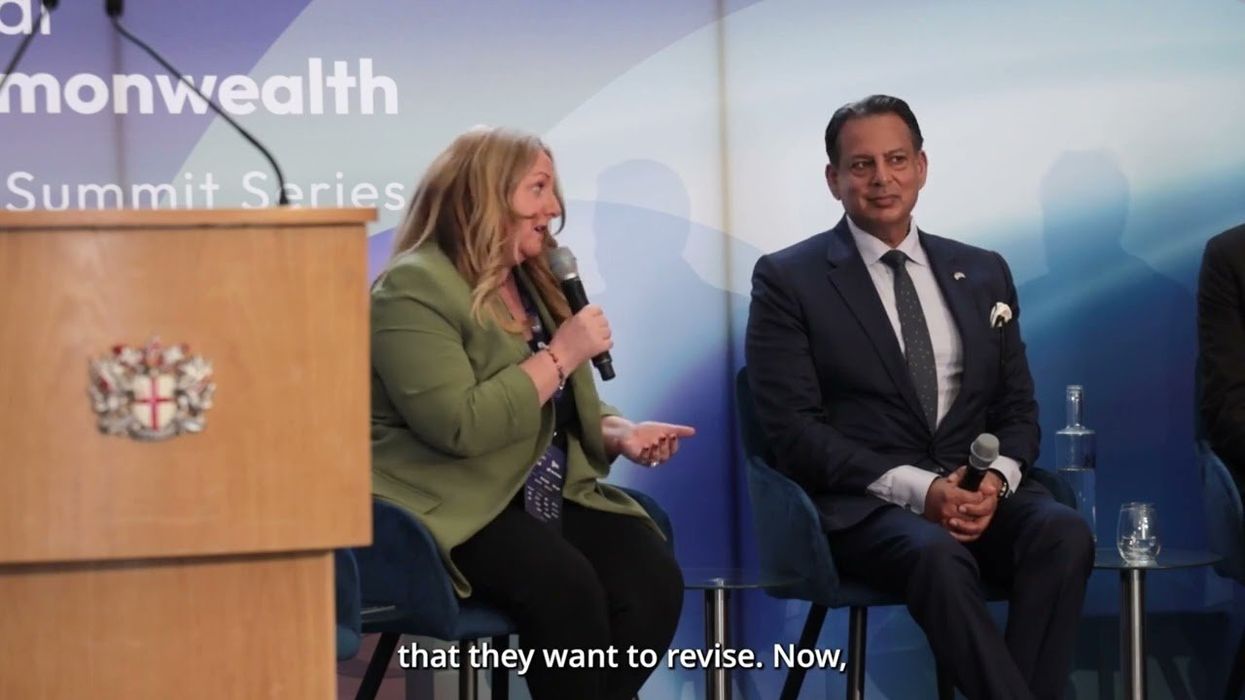
Panellists
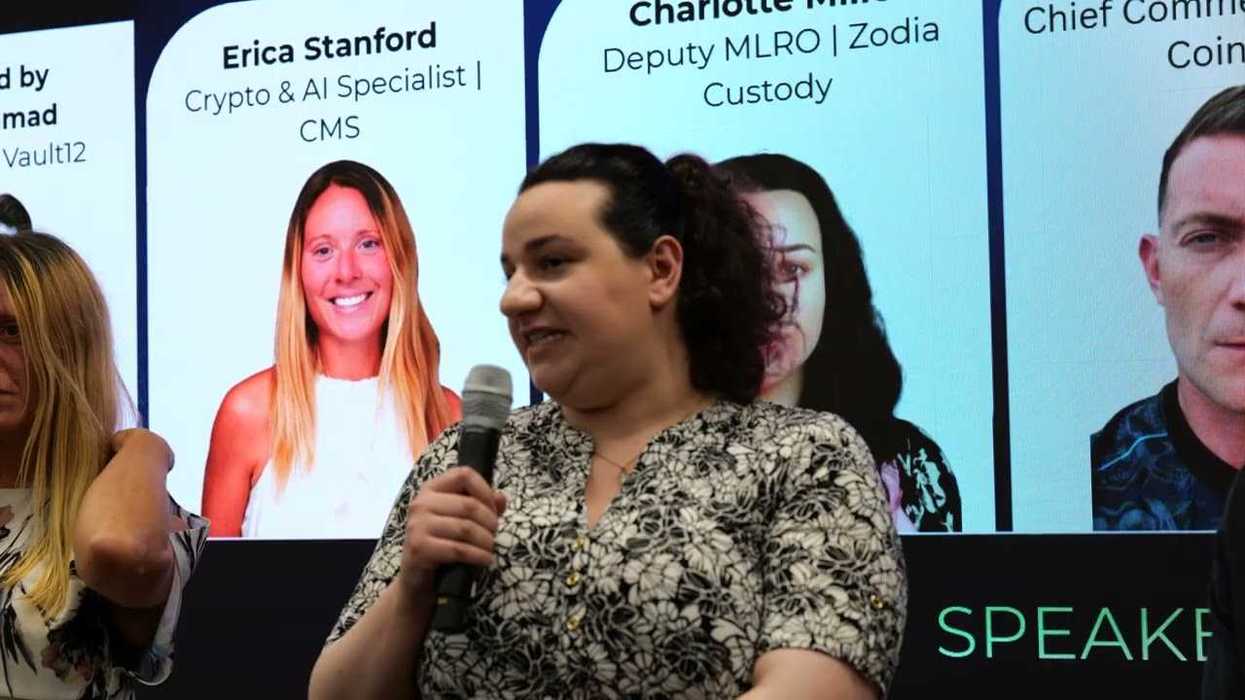
Erica Stanford is a crypto, digital assets, stablecoins and AI specialist at international law firm CMS, where she advises in a non-legal capacity on cryptoasset risk, regulation, fraud, scams, digital crime and AI-enabled financial crime. She is the bestselling, award-winning author of Crypto Wars: Faked Deaths, Missing Billions and Industry Disruption, which has been translated into 15 languages, and author of the forthcoming textbook Stablecoins: Law, Regulation and Technology, to be released in late 2020 by Edward Elgar . Erica writes and speaks internationally on crypto, stablecoins, digital-asset crime, fraud, emerging financial-crime risks and the role of AI in digital finance.
Charlotte Miller is the Deputy MLRO at Zodia Custody, bringing over 10 years' experience in AML and Financial Crime. Their career spans TradFi, working across all three lines of defence, before a personal fascination with crypto led them to make the move into digital assets around 15 months ago. Drawn by the idea of a new form of money that couldn't simply be held, and one where a token's story can often be told (traced), unlike a £20 note whose history is lost the moment it changes hands. At the same time, hearing that criminals were turning to this new form of money made them want to see, first hand, whether that was actually true. Since then, Charlotte has focused on bringing that breadth of TradFi experience to the crypto industry, helping build robust practical AML frameworks that keep pace with an evolving regulatory landscape. Charlotte is passionate about bridging the gap between traditional finance and crypto and is looking forward to sharing these insights on the panel.
Christian d’Ippolito is a social entrepreneur, creator and Chief Commercial Officer at CoinDepo, working at the intersection of technology, social impact and community. He is also the CEO and co-founder of The Spartan Project, a social enterprise using creativity and movement to create opportunities for young people, and has spent much of his career building partnerships between brands, charities and communities. Through his work with CoinDepo and his own experience with digital assets, Christian brings a perspective on crypto shaped by both its potential and its very real risks.
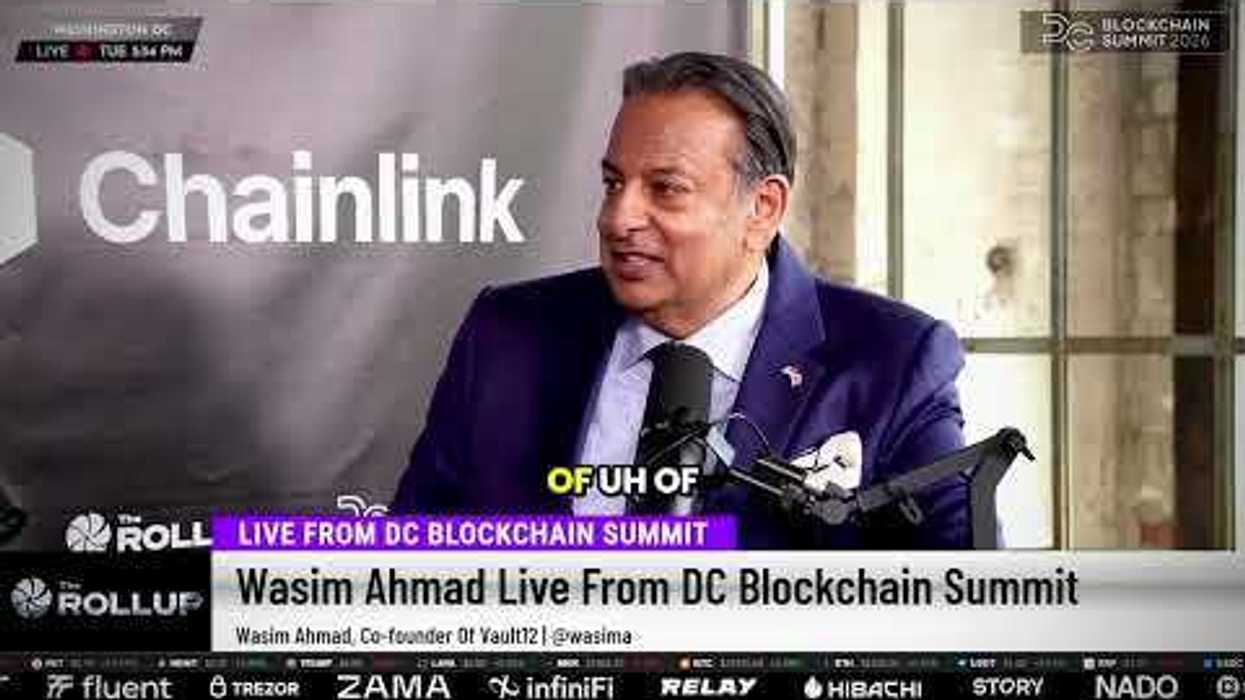
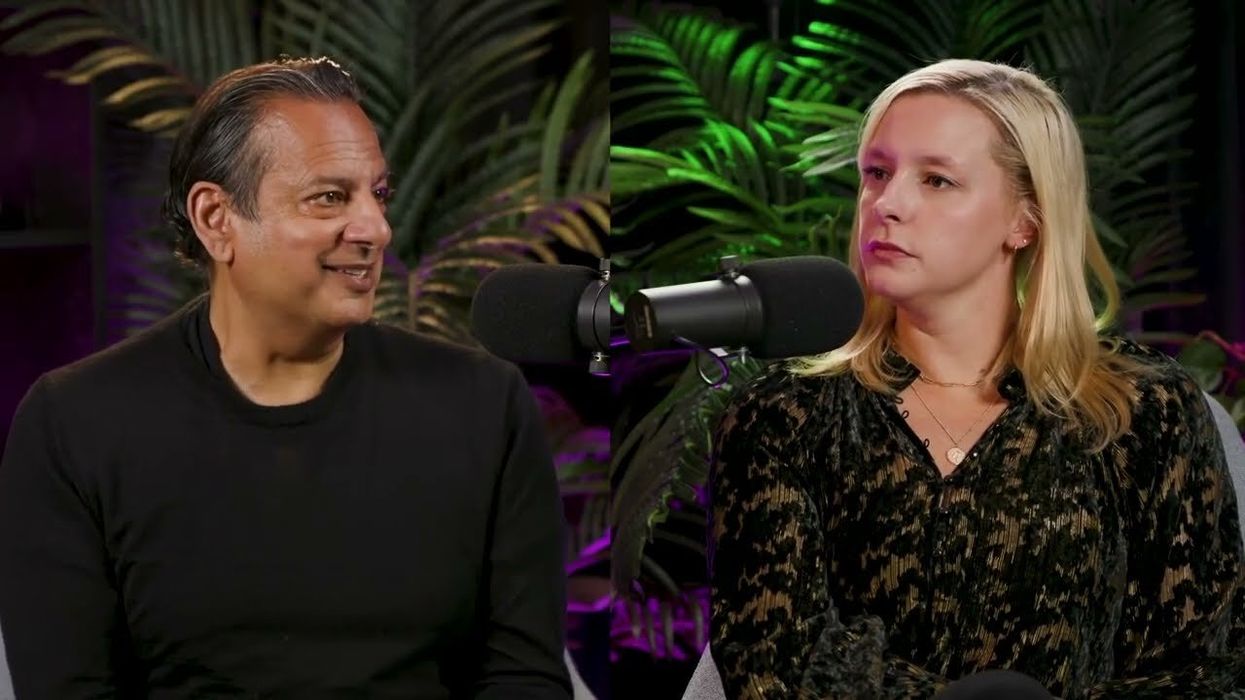
Moderated by Wasim Ahmad. Wasim has spent decades at the exact point where deep, difficult technology meets everyday people. His crypto journey began with AlphaPoint, working with the founding team that launched some of the world’s first cryptocurrency trading exchanges. He then joined Vault12, the pioneer of crypto inheritance, where the mathematics of Adi Shamir’s Secret Sharing — became a product that lets people pass their digital assets safely to the ones they love. Most recently, he has been lobbying hard in both the United States and the United Kingdom — engaging with the SEC, CFTC and the FCA — to evolve the laws and regulations governing crypto, so that everyday people can access these technologies safely and confidently. He is now the author of a book on everyday cryptography: "Who holds the key?", an everyday guide to cryptography, passwords, crypto wallets, and navigating the technology that protects your privacy in the modern world.
#Bitcoin #CryptoSecurity #SelfCustody #DigitalInheritance #Cryptography
*** Special Offer for Podcast listeners ***
Promo codes for Vault12 Guard
The iOS codes are good for 1 year subscription at no cost, then will revert to standard price for Inheritance plan. iOS codes can be redeemed in the Apple App Store.
The Android codes are good for 90 days subscription at no cost, then will revert to standard price for Inheritance plan. Android codes are redeemed when selecting and paying for the Inheritance plan in the app.
Instructions for how to redeem here.
Code: CMNYC26
iOS: https://apps.apple.com/redeem?ctx=offercodes&id=1451596986&code=CMNYC26
Android: Enter code CMNYC26 when you select the Inheritance plan
Transcript
CryptoMondays London MC:
Yeah, a few words about Crypto Mondays. We are London's longest continuously running crypto meta. We've been pretty much running since I think February 2018. I remember doing this to a room of five to 10 people. It's since grown significantly. We've had hundreds of, at this point, hundreds of events, hundreds of guests, hundreds of speakers, and it's just going from strength to strength. And that is very much also thanks to you, thanks to our partners, thanks to our community and sponsors. Now, if anyone is interested to partner with us, sponsor us, be a speaker, suggest a topic, feel free to come talk to us, talk to Larry, talk to Rakit or any of the other team members. I'm not going to say much anymore. I'll say a few words after the panel, but now it's minor to give the word to Wasim to say a few words about his book.
Wasim Ahmad:
Actually, before I talk about my book or my company, Crypto Mondays, Crypto Mondays London, it is definitely one of the best venues that talks about crypto, talks about all aspects of crypto and it performs a very, very important service to this growing community, which is to educate the next generation of people coming into crypto. And this year, I live in New York. It's a very, very important year because this is probably the year that the floodgates open to consumer crypto. And next year will be a very, very pivotal year for the UK when the FCA finally finishes out all of its frameworks and the UK is open for business and isn't banning and freezing bank accounts and doing all kinds of those kinds of crazy things. So my company, Vault 12, we do crypto inheritance. Crypto inheritance is very important because when you start buying crypto assets, you need to make sure that not only are they backed up and safe and secure, but should you be incapacitated or you pass, or when you pass, there needs to be a pathway for your heirs to be able to access those assets.
And so this is something that you can't rely necessarily on Coinbase or Lloyd's Bank or any institution to do. And so in many cases you have to sort that out. And so it's a very underlooked activity, but it's going to make a lot more sense when there's a hundred million new crypto consumers because the laws will change and there's nice regulatory framework making it safe for people to own crypto. So that's what we're excited about. And that's one of the reasons why we're so excited to sponsor Crypto Mondays because they are the ones educating this next set of people. I wrote the book for my two barrister brothers who continually asked me about things like face ID and is the iPhone secure and are they safe sending messages on Telegram and what about WhatsApp and what about quantum computers and isn't that going to just be able to hack everything?
And so I realized that the answers to all those questions lie in cryptography. So what I also realized was that I actually worked with some of the world's top cryptographers in the last 20 years. And so that's the book. It doesn't go technical. For those of you that are technical, this book is going to be a great gift for someone else. And if you're new, it'll be a good grounding for my next book, which is called Everyday Crypto, and that's coming out next month. And I'm sure we'll figure out a way to get it in your hands once it's available in the UK. That's about it.
CryptoMondays London MC:
Thanks so
Wasim Ahmad:
Mchem.
CryptoMondays London MC:
And with that, if I could ask the rest of our panel to come join us. So today's topic is following the money, crypto crime and asset recovery. So of course you're all very familiar with the number of crypto scams, hacks, exploits from low level exploits to state level actors like North Korea's Lazaro's group hacking large exchanges, hacking individual users and so on and so on. So today's panel will talk a little bit about cryptocrime and specifically also asset recovery. What are the techniques and ways how stolen crypto assets get tracked, recovered, what are the options available to law enforcement and so on. And with that, I'll pass the word to Wasim to run the panel.
Wasim Ahmad:
Thanks so much, Hobek. Okay. Well, I'm very excited to get going with this panel. It couldn't have come at a better time. We've seen treasure with their supply chain issues, cold card with their internal, well, I don't even know what the level of criminality is with cold card. SafePal, there was probably another one that's probably happening right now as we're speaking. So it is a moment where all of a sudden crime and crypto are intermixed again, but with real consequences. Over a hundred million dollars stolen through the cold card hack. So we're going to dive in a sec, but I just want to say one thing, especially to all the people that are listening on Acts. There is over $4 trillion of crime that is due to fiat in this world and only a couple of billion can be related to crypto. And so all of this crypto crime stuff is blown completely out of proportion, but it affects how people think about crypto.
It affects the rate at which we get regulations. It affects all kinds of things. And so we have to deal with it. I think today you're going to hear how we deal with it. So this is not going to be a regular panel. This is the first, maybe not the last, but the first true crypto crime podcast. And we have a real life story to tell you, which we'll get to in a minute. But let me introduce the panelists really quickly. So I have Erica Stanford from CMS, which is probably the largest law firm that actually focuses in on crypto related things in the country. Charlotte Miller from Zodia, right? I've got that right custody and Christian Dopolito from CoinDepot. So they're going to introduce themselves as we get going. So my first question just to set the scene is to Erica. So when we talk about crypto crime in 2026, what are the main types of fraud and the main types of financial crime that you're actually seeing today versus what people talked about 10 years ago?
Erica Stanford:
Thank you. And thanks for having me here. So I'm Erica Stanford who seem asked us to introduce ourselves quickly. So I work at CMS Law Firm. I co-run a crypto team. We built up a team about 10 crypto specialist lawyers. I'm not a lawyer. I also don't have a job title, so hence that. I wrote a book about crypto scams called Crypto Wars, Fake Deaths, Missing Billions and Industry Disruption. And I also just finished writing a textbook on stable coins. It's a legal textbook as exciting as it sounds, but it's got big sections on how they're used in money laundering and how they're used in crime and what you can do about that. I also just finished a master's in data and AI ethics, which is basically everything that can go wrong in AI and what you can do about it. And there's enormous amounts of correlation with that and crypto.
Wasim Ahmad:
I think our books are going to intermix over the next couple months.
Erica Stanford:
So your question is what are the main trends in crypto crime? So the trends have changed in crypto crime. 2017 days there was lots of ICOs that didn't necessarily work out as they were advertised to work out. There were lots of big crypto Ponzi schemes. Now crime is much more clever and much more subtle. And you've got two main sorts of crypto crime. You've got the hacks, which are often largely also social engineering, which is very, very, very highly skilled hackers engineering their way to find out something about a platform to be able to hack it. And sometimes it involves getting jobs at the platform and hacking it from internally. But the most frequent type of crimes are the ones that affect individuals, which are mostly social engineering led. So it's tricking people to do something. So that makes it a lot harder really for crypto platforms to do anything about because as far as often they see, it is a legitimate user making a transaction and requesting to make that transaction.
So what the crimes do is find various ways to persuade innocent people, to persuade victims to send crypto. So that might be an investment scam and they might promote an investment scheme which looks very authentic or it might be a romance scam where they spend months often or years even grooming a victim. It might be a platform that looks exactly like another platform. And the scams now and the crimes now, they have whole big setups and you've got incredibly sophisticated organizations running them, big organized crime games. You've got hundreds of thousands of human trafficking victims being forced to run them. You've got scam schools, crime as a service online selling them. And also that coupled with the immense amount of data that they've got on people soul in the dark web and also using LLMs now to help perfect the crimes. The criminals create whole ecosystems around their scams.
So create whole websites and reviews pages and testimonials and websites supporting them. So anytime somebody who's a victim of a scam, if they research something, it looks real or the websites that they're sent to are often identical. You can't tell them apart.
Wasim Ahmad:
Is this what pig butchering is?
Erica Stanford:
Pig butchering is romance scams. So the term pig butchering comes from in China, fattening the pig where you would basically fatten a pig slowly and then kill it. And pig butchering means there's hundreds of thousands of people in Southeast Asia who've been human trafficked and held as prisoners in scam compounds who are forced to commit these scams. You've also got lots of individuals paying to learn how to scams in scam schools or via the crimes and service industry where they get all the information. But you've got lots of individuals who spend, it's their job to bring people. So they find vulnerable people in dating apps or on social media platforms and persuade them that they're in a relationship with them that can go off months or sometimes years. And they spend all this time talking to them. And then usually how it works in crypto is they don't just say, "Oh, send me your money." They don't do any of the Nigerian prince things where people would easily fall for them.
Often they make them believe that they're in love with them, but also say something really realistic sounding like it would be amazing for us to be able to afford to buy a house together. And I've been investing with this crypto platform and I've made lots of money. And so what they initially often do is get people to send money to a legitimate crypto exchange, like a good one to build up their confidence. And then they'll say, "I found an even better platform where you can make even more money." And by this point, people really believe that they're investing in crypto for the future of their relationship. And then they move the money off the legitimate platform to a scam platform. But that looks identical to a legitimate one often.
Wasim Ahmad:
Sounds like my dating life. Let's move to Charlotte. Charlotte, please do introduce yourself. But my question to you is looking at it from a different perspective, from a regulated financial crime side, what does suspicious activity look like when it starts touching an institution like an exchange or custodian or some type of crypto business? What do they see when crime is happening?
Charlotte Miller:
Of course. Thank you. So my name is Charlotte Miller and I'm the deputy MLRO at Zodia Custody. We are a cold wallet crypto custodian for institutional customers, so we are not retail. I've been working in the financial crime prevention space for almost 10 years. And after having worked in lines one, two, three, TradFi, in-house, in consultancy, I though, what could I do to challenge myself? Where do I want to go to next? So I moved to crypto for my sins perhaps. So hopefully I can bring some of that TradFi experience to you today as well. So suspicious activity, what do we see in-house? It's a bit of a mix. I wish I could come to you with some fascinating story, but I'm afraid our client base is pretty mundane. There's nothing that exuberant or exciting that I can share with you in a real case study.
But what I would say to you, especially along the lines of fraud, is what we see, and you touched upon this, which is the idea of who are you hiring at a firm? And again, it's not something that we have experience of firsthand, but it's something that is happening a lot in the crypto space, which is where we're hiring remote workers, do we actually know who we're hiring? And when I ask that question, we're talking mainly here about North Korean IT workers. I know. And I could tell you about all of these interesting cases, but ultimately it's the idea that, at least for us as a firm, our biggest threat when it comes to fraud is actually internal fraud. We're fortunate we haven't had any such instances, but it's about making sure that we understand who has control, who manages that information, who has access to it.
Another thing that we see frequently in the crypto space is spoof websites, and that's something that we have to deal with quite a lot, to be honest. Criminals, scam artists setting up websites that look like legitimate crypto firms in the hopes that people will log into the platform. They'll provide the necessary information where a hack, a scam, a theft could then take place on the legitimate side. In regards to actually transactions, what we see from our clients, suspicious activity, it takes many forms. It could be that we get an alert as part of transaction monitoring that says this transfer 25% has previously touched a sanctioned entity, or this client is trying to send funds to a wallet that's been associated with terrorist financing. So we could get suspicious activity raised like that. Otherwise, post-transactional training, we could be looking at things like rapid movement of funds is another one where we might be seeing suspicious activity.
Wasim Ahmad:
And where are those alerts coming from? Are they coming from your own research teams or are they coming from another third party that's doing the monitoring or is it coming from the government?
Charlotte Miller:
So third party. So internally we use Chainalysis as blockchain analytics, other providers available, I should say. And of course, Chainalysis, they gather their data through various other sources. So it could be firms submitting intelligence. It could be through their own investigative teams, open source intelligence working with governments. I just say as well that we also, Zodia Custody co-founded the Beacon Network as well, which is real time detection in regards to things like stolen funds and frauds. So we can try and help that public private partnership and the communication between firms in the hopes that if there are stolen funds, we can try and stop them before too much happens on chain.
Wasim Ahmad:
Okay, great. So let's turn to Christian from Coin Depot. So you have, I was going to say you've been the victim of a hack, but that isn't really what happened. Why don't you tell us in the most evocative way that you can what happened to you?
Christian d'Ippolito:
Sure. Hi guys. Thanks for having me. My name's Christian. I'm the chief communications officer for a crypto savings platform called CoinDepot. I'm not here to talk about that. You can look that up independently. It's not a sales pitch. I'm actually here to talk to you about something that happened to me almost a year ago to the day, which is quite strange because a year ago to the day I was a very different person because of what happened. I was actually near here. I was near Old Street. I was walking home. It was Friday night and I was stopped by four guys. And at no point, this is really important that you understand this because at no point did I feel threatened. There's no moment where I felt, okay, my safety is at risk here. We were having a conversation and I had my phone unlocked as we were speaking.
And after a short talk, I was going to head back towards Liverpool Street Station and a hand just came out of nowhere and my phone was snatched and my phone was unlocked at the time. And so I was in such a state of disbelief. I could not believe. I'm very street smart. I also run a youth project here in South London. I'm not really sort of afraid of much if I'm being completely honest with you. So this situation was so quick. It was so unexpected that I was just left in a state of disbelief. I didn't move. I couldn't believe what just happened. And then when I realized, because it was late, I had a few drinks, I've got to be honest. I gave chase. I chased after this guy and we went round the block. It was Paul Street, just near Old Tree Station near Shortridge obviously.
And we went round the block. I'm quite athletic. I can run is what I'm trying to say. And I caught up with the guy. He went round the block. He jumped into a car and drove off, but I got in the car. Yeah, I know, right? It's like Jason Bourney. But it turned out to be a mistake and in hindsight, maybe something I shouldn't have done because I got dragged down the road by a moving vehicle and I sustained some injuries. They could have been worse. A car drove off and I was just lying there, phoneless. And the very first thing I did, and this is the gone of the truth, I started laughing because I couldn't believe what had just happened. It happened so quickly.
Wasim Ahmad:
Were you thinking crypto at that moment?
Christian d'Ippolito:
No.
Wasim Ahmad:
I was thinking about your phone, right?
Christian d'Ippolito:
If you excuse the language, I was thinking cheeky bastard. How dare this guy? So in that moment of genuine vulnerability, crypto wasn't really my concern. If anything, I was just still in a state of shock. And then you see the having... Listen, I've never lost my phone before. So the inconvenience of not having your phone on you was the next thing that happened. I didn't have to think about anything other than, okay, so now what do I do? And I guess one of the points that I'd like you to think of, quick show of hands, has anyone in here had their phone taken or lost their phone? Wow, my gosh. That's quite a lot. I was expecting less hands to go up. But then you'll probably understand, you see that sudden feeling of, okay, well now what do I do?
Wasim Ahmad:
Apart from -
Christian d'Ippolito:
What is the logical order? What's the flow? What's the first thing I need to think about now because I was lying on the floor. I don't want to be graphic. I was covered in blood. I was lost. I was confused. I was like, now what? It took me at least, what, three hours to make it home? And you see, I only started to become a concern when I walked through the front door. It was difficult enough to get home anyway. I was put in an Uber by a kind Samaritan. But you see, one of the points, one of the salient points for me was just how unprepared I actually was for this eventuality.
Wasim Ahmad:
So talk about, okay, so you realize or you start thinking, oh, my crypto wallet or whatever you had on your phone. What did you do then when you realized I need to find out?
Christian d'Ippolito:
Yeah. So I guess it's a case of sequencing here. So the first thing I legitimately tried to do still at the crime scene was to somehow access my phone. It's an iPhone. So I tried to see if I could log into my Apple ID and just wipe it. Not possible. Within minutes of this happening, so seven minutes, 17 minutes, I had someone's phone. I wasn't able to log into my Apple ID. I was kicked out. I called EE. I was able to successfully get through to the network provider, do what I needed to do with them. Eventually got put in a taxi, went home. And the first thing I then went to do is change an entire... I mean, so many passwords. And if I'm honest with you, I didn't even know where to begin. I though Gmail first. Let's do that. Let's do that.
And then let's go through social media and then let me think about calling banks. But of course, the whole time you're doing this, you don't have a device. So your whole 2FA, it just makes life difficult. And when you've been out, you're still in shock, you're injured, your mind's all over the place. There isn't a logical path for you to go through unless you're really, really prepared. And on top of that, you've got no one to call. So friends and family didn't find out about this for what, two days, three days or so. Now in my case, I'm going to go back to that Jason Born point in a second. In my case, it's very unusual because I managed to get the car registration number. I know,
Audience Q&A:
Right?
Christian d'Ippolito:
Wow.
Audience Q&A:
No, that's quick.
Christian d'Ippolito:
It's quick thinking. Assisted too, but the point is four arrests were made. So within the space of maybe 12 hours of this happening, four arrests were made. And that then kickstarted the whole new process. Assets still haven't been recovered. And what's been really interesting for me, and it's something I'm sure the rest of the panel will be able to speak about, is that whilst traceability is obviously there, the recovery process can only move as fast as the institutions involved.
Wasim Ahmad:
Okay. So hold on. So you skipped to the end, but there's a moment where you go check your wallet or - Yeah, you get emails. Something happens when you realize that your crypto assets are in danger or missing or inaccessible. It was a series of emails.
Christian d'Ippolito:
What was that moment? I've got a series of emails. I'm at home at this point. I though I'd done everything I needed to do and I should have locked down my whole account. Password changes didn't really mean much. And I still to this day don't actually know how they were
Wasim Ahmad:
Aimed.This is with an exchange
Christian d'Ippolito:
Or this is - So I had two wallets. I had a Coinbase wallet and a Uniswap wallet. Both were compromised. I couldn't get into my Apple ID for, I think, my Apple account for I think almost a month after that. So they were somehow able to compromise that. My identity was stolen as well in this process. Even my business bank account was cleared out. I got a phone call from Barclays Bank on the Mondays, this is two days later, to tell me that lines of credit had been attempted, two of them, unsuccessfully. I've got whole other stories about Barclays Bank, by the way, trust me. But the emails that started to come through suggested that they were in my wallet. Everything got cleared out, everything got sent. And then something else that I hadn't considered at the time is if your car gets stolen, you know who to call.
But when it comes to your digital assets, I mean, who ultimately, who do you call?
Wasim Ahmad:
Turns out - Did you call Coinbase?
Christian d'Ippolito:
Eventually, yeah.
Wasim Ahmad:
But not straight away?
Christian d'Ippolito:
No, because the police were back in touch with me to tell me that four arrests had been made. And this is within 12 hours. So they got in touch with my mother actually first, because I gave her number as an emergency number. When I replaced my phone, put in a SIM, I got a replacement phone. I was able to start calling family, got through to my mom. She told me police have been in touch. And then I went to Stoneton Police Station and they informed me that these four guys had been arrested. But at the time, no one had any clue. The police I'm talking about had no clue that there'd been any sort of fraud. They just were concerned about -
Wasim Ahmad:
So let me stop you there.
Christian d'Ippolito:
Sure.
Wasim Ahmad:
And we're going to find out a little bit more about how these things get tracked and traced, and then we'll come back to you to find out where your assets actually are because they're not with you.
Christian d'Ippolito:
They definitely.
Wasim Ahmad:
But you know where they are. So we'll come back to that in a few minutes. So I guess Erica or... Yeah, Erica. So let's just kind of using this kind of case as an example. So once crypto leaves someone's wallet, how does an investigation begin? How are the investigators able to follow the money?
Erica Stanford:
A lot depends on how good the criminal is. If it's not a very good criminal, they'll maybe steal the crypto and send it to an exchange or send it to one wallet and then an investigator knowing your wallet address and your details can trace it to that exchange and go through a legal process, but then get that exchange to freeze the funds and eventually return it. But that doesn't really happen. That's really the worst level of criminal, and by worst, I mean not very sophisticated. It's much harder for the most part because you've got a lot of tools available to obfuscate crypto. So it might be swapping between blockchains, it might be using mixers, it might be putting it into stable points and then cashing out and catching back up to the stable points. There's lots of techniques available to move crypto. And then what an investigator can also do is you've got, you mentioned chainalysis, there's other excellent crypto analytics platforms as well, medical science, TRM labs, they're all very good.
And the technology is out there that can track the crypto. And often even when it's been gone across different blockchains and when it's gone through mixes and when it's been hidden, it's still often possible to -
Wasim Ahmad:
The cold card stuff that's been stolen. We know which wallets it's in.
Erica Stanford:
But that often is the problem. So sometimes if you know which wallet it's in, you can do something about it. Often it ends up in a wallet that might be controlled by North Korea or by Russia or by somewhere where you can't do anything about. And that makes it very, very hard and often impossible to do anything about because you can trace it, you can put a watcher on it, you can have things put on that if the crypto moves from those wallets, if it moves from there to a different exchange that they can then do something about it.
Wasim Ahmad:
So Charlotte, since you have access to Elliptic or Chainalysis, so as Erica said, people talk about how the blockchain is transparent and how easy it is to trace crypto on the blockchain. What's wrong with that assumption and what do the analytics actually tell you? Because it doesn't sound like they go all the way to recovery.
Charlotte Miller:
Yeah. And I think this is a common misconception, everyone in this room will know it, is that a lot of people think, "Oh, I can use digital assets and crypto and crime because it's anonymous." And everyone in this room is going, "No, of course it's not pseudonymous." We know that because we're a community of crypto people or those that have an interest in crypto, but a lot of people don't realize that. So a lot of people think they can just move on chain and no one will be non-wiser. But the issue we have, especially as a custodian, is that we can't confuse blockchain analytics as being a court order or a court judgment. It is intelligence. So we can use it as part of our investigations, but it does not give us power to all of a sudden just seize someone's assets. That has to come from law enforcement.
Erica Stanford:
Which can take a long time and cost a lot of money to get that court order.
Charlotte Miller:
Yeah.
Wasim Ahmad:
So what evidence do you need to actually act? And I presume acting means go get a court order.
Charlotte Miller:
So what I would say that we would need as a custodian is we can't just have a phone call, sorry, from someone to say, "My assets have been stolen. Can you get them back for me?" There's no undue button, unfortunately. And even then, we can't, every time we would get a phone call and be like, "Yeah, I believe that. Okay, here's some crypto. Off you go, rate us highly on TripAdvisor, trust by whatever." It's not how it works. So we would need a police reference. We would need to be in contact with law enforcement. And again, we don't have the power to seize, but what we do have the power to do is put some sort of transacting limit or restriction or block on the account, which means that we can temporarily hold what could be suspicious assets, but we're not the final step of the journey.
And this is the thing when you were talking about what happens if end up at one of these not so good exchanges. What happens if they end up in the middle of nowhere or where there are governments and law enforcement that actually they're all in on it and they don't really care where these funds have come from. They're going to line the coffers of the government, they're going to be used for X, Y, Z. Which as a regulated institution, we are a point of contact. You can contact us and we can give you things like some KYC information and that breaks down the pseudonymity. We can start to help you identify real world people, but it doesn't mean that we are the end of the trail.
Erica Stanford:
And to add to that, there's two other factors. What criminals will do, the good ones is make it just difficult enough to slow down investigations enough that the criminals can cash it out, cash out the crypto or move it into a wallet in a different jurisdiction or cash out via Sabercoin. So they only need to make it just complicated enough to slow down the investigations. But also there's two other factors is if they use the various obfuscation tools, for example, mixers or so, you can prove through blockchain analytics that X amount of crypto came in and X amount of crypto came out and there's a very, very good degree of reliability that this was a stolen crypto, but that doesn't always count legally. So even though you can show several things with blockchain analytics to prove something legally to get a court order is more difficult and that's a challenge.
And the other challenge more and more is that now the latest statistic is that 84% of crypto crime involves stable coins and the best way to cash out is to cash out and there's all these... You've got legal OTC desks where you can change crypto to fiat and then you've got less legal ones whose entire business is cashing out for the sake of money laundering. And you've got whole money laundering as a service operations that use money mules and casinos and they're really, really sophisticated. Something like 20% of all money laundering in the world goes through these and often Chinese syndicates, but they're really, really sophisticated. So as soon as you cash out into stable coins and then cash out via these ways, there's no KYC checks, there's no way of knowing who has cashed out. You pay a bit of a premium to not have any ID checks or to not have a digital trace.
And then the crypto goes into fiat and then it's almost impossible to do anything. So coming across a slightly negative crypto analytics choice.
Charlotte Miller:
I think what's interesting as well and something that we don't consider is actually the psychological impact of having crypto stolen as opposed to fiat currency or a real world asset that's tangible and I can hold. And it's funny you mentioned cards because I was thinking about this before today, which is you have your digital assets stolen and you can, depending on your skills and your capabilities and tools available to you, you can trace it on chain. Imagine how soul destroying it is to see your funds moving. You can see them moving, but you can do nothing to get them. And I was thinking, what would the real world equivalent be? And I immediately thought about a car with an air tag inside. So you've left an air tag in a car, someone has stolen your car. You can see from your air tag where the car has driven to, the locations, the equivalent, you can see the addresses the crypto is moving to.
But what you can't do, most people, is jump into the car and try and follow with it. So imagine that. Imagine seeing someone steal your car, you can see where it is on the map and you can't do anything about it. That's the same with crypto. You can see to some degree where it is and you just have to sit there and hope that law enforcement can help you get it back. And that must take such a toll. I can't be on my computer stalking my asset. Where are they? What's going on?
Erica Stanford:
Depending where it is, if they find out which individual controls are stolen crypto. In America, for example, there's been some cases where judges have used methods to persuade the hacker or the criminal to return the crypto and they haven't made very clear what methods they've used to create that persuasion. I think it was a family law court. It wasn't a crime, but it was something like a husband getting divorced or something who said he couldn't share his crypto because he'd forgotten his private key. And the judge says, "Okay, I'll put you in prison until you remember the keys." And that's probably quite persuasive. But that only works in some places. And if the criminal's in North Korea or other places, there's less one can do.
Wasim Ahmad:
So Christian, tell us how soul destroying it was to find out that the people who robbed you were arrested and your assets were, I don't know where, but you're going to tell us, but they were spread around the world, but you still don't have them back.
Christian d'Ippolito:
No.
Wasim Ahmad:
So I wanted to kind of delve into where are they and then understanding you kind of know where they are, but how are you going to get them back? What is going on?
Christian d'Ippolito:
Yeah, sure. Okay. So a couple of points here. So I guess the first one is when it truly was devastating. These are two wallets. I mean, to be honest with you, nothing in cold storage, this money, I'd never prepare to lose it by the way, but it was just sitting in these wallets. I was trading, buying meme coins, taking risks. Anyway, when obviously this happened, it took me a long time to even think about looking in a wallet again because it was like visiting a virtual crime scene. And I had just the anxiety. It was devastating. If you think that I'm even connected to the industry as well, it was very destabilizing. I had all sorts of issues for certainly a couple of weeks, if not a few months. It didn't take too long to get back outside, but my confidence was seriously knocked. And it wasn't even a case of just logging into wallets and crypto platforms.
I couldn't even open my current account, my bank. I didn't go in there. I didn't want anything to do with it. I mean, even today, what I have on my phone is a stripped back version of what I was previously walking around with. It had such an impact on me. It made me question whether and why I would ever walk around with everything on one device ever again. It doesn't really make sense. I learned a lot. I also learned a lot very quickly about safety protocols that I really wasn't following. I mean, these might go some distance in protecting you, but even just putting face ID on all of my apps, not just some of my apps. And one thing, it's quite funny actually, but one thing I realized is that they tried to make a 300 pound Uber Eats order through my phone.
Audience Q&A:
300 pound operations.
Christian d'Ippolito:
It's a 300 pound collection, obviously. And they're not as stupid, but even today, even my linebike account is face ID. You're not even getting a linebike. If I lose my phone again. But jokes aside, I didn't even think about the consequences of having a picture of my passport in my camera roll. And when I found out from Barclays that two lines of credit were at least attempted, it made me think about all of the risks of what have I got? You don't know really what is on your phone anymore because depending on your storage, you'll be a combination of notes, messages, WhatsApps, a whole catalog of different personal data that you're walking around with. And so you might have levels of awareness, but until this happens to you, I mean, something like this will make you reconsider a lot. And so I suppose the damage really was such that it's fundamentally significantly changed my behavior.
That's one question answered. The second one was really, I suppose, the over reliance, the hope I had in the police.
Dreadful experience, dreadful experience. I mean, I've already mentioned that I've run a youth project, so I do actually work with the mint in different ways, but my personal experience was a really negative one, to be honest with you. I mean, honestly, very inefficient, very ineffective. It made me realize how little they actually know, but also how overwhelmed they are. Because of the incident, my case was assigned to the serious crime investigation unit, and obviously because they made four arrests, I was very hopeful that this might be used as a perfect example of what to do. Okay. We've got four guys in custody and I though, okay, great. But even then the CCTV wasn't recovered. They actually lost my device. So after telling me that my device had been recovered, they lost it. Seriously.
Audience Q&A:
The police lost it.
Christian d'Ippolito:
The police lost it after telling me that it'd been recovered. It is shocking. It's terrible. And so I went to LinkedIn. I had a really negative experience with Barclays as well, who originally refunded the money that was taken from my business bank account and then took it back without telling me. And I only found out by accident. So that then took on a whole new... Anyway, I digress a bit. But the point is that I put this on LinkedIn and it was a company called Recoverist actually that got in touch and offered to help because they obviously heard the story. They'd learned about the charitable work that I do as well. I was speaking to a lady outside, someone else, Jacqueline, I think her name was. Yeah, there you are. And when you work, I suppose on the front lines, you do a lot of charity work too.
And because I do a lot of youth work, I often work with, I suppose, young people on the fringes of criminality. This felt like a massive kick in the balls to me, to be frank. And so Recoverists got in touch and they produced a really helpful report, which allowed me for the first time, almost comically, as we were discussing, to see where my money, the trail, because whilst it's all traceable, the transactions are irreversible. And I was left with the harsh reality of seeing my money sitting in a stake.com account in Indonesia and a Revolut account in another foreign jurisdiction where the police here are incredibly limited with what they can actually do. So grateful I suppose for the map, for the infographic. It was quite fun at first. "Oh look, my money's going oh, I didn't realize you can't do anything about it." Oh.
So right now I'm still dealing with the, I suppose the practicalities of needing... I'm going to have to go to court at some point and just see what the outcome is, but it wasn't what I thought it was going to be, if I'm honest with you. And I do believe that the authorities have a lot of catching up to do in turn. There's a massive knowledge gap.
Erica Stanford:
That is, and under-resourcing and lack of data sharing. Can I just ask you one question to follow up?
Christian d'Ippolito:
Sure.
Erica Stanford:
So you said there were four arrests made quite quickly, but then you watched your crypto move. Did they find out or did they tell you that the people that they'd arrested were part of a much larger organized crime or what did they find out? What did they tell you about that?
Christian d'Ippolito:
Yeah, this is the thing. I think gone are the days where this is considered to be petty phone crime. It's now clear that phone crime, phone theft sits at the intersection of serious organized crime. And it's still clear to me that there's a lot of work that needs to be done to actually map out what is ultimately a crime syndicate or one of many really. To answer your question, no, that's not clear yet. And the other thing I was going to say as well, just some insight here, the detective constable that I was given, when I was eventually able to speak to him, it took months by the way, months to have, despite the arrest being made the following day, it took months to make contact with the officer in charge of the case. And when we eventually spoke, it became clear to me that my case was one of multiple dozens.
And I'm not even referring to crypto crime and phone theft. Detective Constable is working on multiple cases, seriously stretched force. Even though they have special units and teams, the fact that not even the CCTV had been recovered, they have 31 days to do that. We're not talking in some back alley somewhere in the countryside. This is old street, central under cameras everywhere. They didn't get any CCTV footage. So they had to rely on a digital photo ID parade, the outcomes of which they still haven't communicated to me. But from what I've understood, I successfully identified the suspects. Otherwise, we would not be in the position that we're in right now.
Wasim Ahmad:
Well, Christian, I just want to say thank you so much for sharing that. I know we've taken a humorous way.
Christian d'Ippolito:
I just want to say one more thing. Money comes, money goes. You do have to, even in a situation as dark as this one, try and find the opportunities that are always there in any situation. And I'm grateful to say that I've slowly found mine.
Wasim Ahmad:
Thank you. So I have kind of a question to sort of wrap things up. Well, we'll do a lightning round, but just to wrap things up. So with crypto, you have the situation where money can move instantly anywhere around the world and yet it leaves a trail forensically. It leaves a trail on the blockchain. So is this an advantage for criminals or for investigators? What's the balancing act?
Erica Stanford:
Both. Both. There's a lot of very good use cases for crypto and criminals take advantage of it. I think on that it's worth adding that. One of you touched on earlier that cryptocrime is only a tiny percentage of crime and the percentage of crypto crime is very small compared to the percentage of FIA money that's used in crime. And I think to your point, your theft wasn't a crypto crime. And there's a lot of crimes that aren't cryptocrime. My friend, Nick Furno, found one of the people at TRM labs write a book called this. No such thing as crypto crime. And I think that's a point. And also criminals are faster than legitimate organizations and law enforcement in every capacity. That's not a crypto thing. Criminals are ahead of law enforcement and organizations in traditional finance as well. And in every other industry, they share information much faster.
They're not worried about data protection laws. They're not worried about information sharing laws. They're not worried about competition or competition laws. They share data much faster and much more freely and much better than anyone else does. And they've got much faster networks set up. So to your point, it helps both, but I don't think that's a crypto thing. I think in general, anytime there's a technology, cryptos are always the first adopters for everything and they're really, really good at that. And then legitimate things follow.
Wasim Ahmad:
Charlotte, did you want to add anything?
Charlotte Miller:
No, I completely agree. And I've read there's no such thing as cryptocrime. I couldn't put it better myself, which is crypto crime is not a new fraud typology. It's not a new crime type. It is a traditional crime that we're used to seeing wrapped with a crypto layer. And that's often done because the view is that for some people, not everybody, all crypto is scary, this new thing that I don't understand. So it automatically bewilders people. They don't know what to do. And that buys criminals time. It does. Your phone theft, that was exactly it. It started as a phone theft. That's not crypto crime. But what you would've found is that one crime actually leaked into multiple. The people that were arrested clearly weren't the ones dealing with your digital assets because they were moving whilst they were being arrested. There were other people involved.
So you'll find that the phone was taken. It would've gone to the next team that was involved probably to strip the data off the phone. The phone normally gets sent to China, sold in a market, and there are plenty of videos online of people that have actually gone to China, found their phones in a market, which I always find quite amusing. The data team would've distributed it. The people that approached art police, traditional finance, those that are going to tackle the crypto wallets, crypto crime, the amount that they would've been able to strip from your phone, not just one crime, it was not just a phone theft. It was multiple in one.
Wasim Ahmad:
Okay. Let's do a lightning round. And then after the lightning round, we'll do audience Q&A because I see some arms twitching. Okay. So this is one for everyone. So if someone in this room discovered tonight that their crypto had been stolen, what is the single most important thing that they should do immediately? Should we start with Christian?
Christian d'Ippolito:
Don't do what I did, by the way.
Wasim Ahmad:
In the car.
Christian d'Ippolito:
No, well it's that. But what I actually found that is, I swear this is genuinely what happened. I was at my desk at home and when I realized that these transactions had been made, the first thing I did is I ran through the hallway and I did a front flip onto my bed. I'm not joking. I didn't know what else to do. It just made sense to me at the time. I just bed. I was rocking around and I couldn't eat for days. Horrible, horrible time, horrible time. But what you should do really, I think is something that you need to do before this happens, which is at least have a couple of steps mapped out mentally as to what really you should do. Because I had no idea. I was not prepared. I didn't even think about changing passwords on certain websites. I mean, Amazon, it sounds silly, but ended up affecting me.
You should have a plan. If you lose your phone, if you're compromised, have a fallback plan. It's not really for me to say what you should do specifically step by step. I'm not an expert in that field, but look into it and find out. There's also things you can do on your device to at least try and minimize and do damage and limitation. Like I mentioned to you, I've got face ID on all of my apps. There's certain features that you can disable on your phone, like the ability for a stranger to put your phone in flight mode. There's things like that that you can do. But don't panic.
Try
Not to, I suppose, and this is genuine advice, try not to lose your mind because things can spiral quite quickly for you psychologically, seriously. And how you do that is very subjective, and surround yourself with people. You need people. This is not a fight that you need to fight alone if it happens.
Charlotte Miller:
So working in financial crime, I'm going to be the one that comes in with a plan. I've got a three point plan for everybody here. Brilliant. It's all right. First one, lock it down. Anything you still have access to, change your passwords, lock it down, notify your banks, notify everybody that something has been stolen, that there's been a hack. You need them to keep an eye on things. Lock it down. The next one, police. And a lot of people say to me, "Well, don't you do the police first?" And as we've said, the police varying levels of success. My view is if you've got some control to prevent as much damage, that's in your control. Do that first, then notify the police because you're not going to get anywhere without a crime number. If you call me out a custodian and you say someone stole my funds, I'm going to say to you, "I've spoken to the police.
I need a prime reference." Get that next. Third point, collect your evidence because anything that you are able to give to the police, anything you're able to give to action fraud, whoever else is involved is only going to be useful intelligence. Rather than them starting from level zero, let them start from level 10, give them what you've got to help them. And then yeah, it's going to be a case of I've done everything I can at that point. And I appreciate the psychological aspect of I feel powerless and this has happened to me and you're going to be eating yourself up and it's going to get to a point where you have to go, I'm only human and this does happen. I see it so much working financial crime, things happen to good people. And a lot of people forget that and they go, oh, what about karma?
Unfortunately, that's not how it works. Bad things do happen to good people. So make sure you are prepared and surround yourself by the people that are going to support you.
Erica Stanford:
Yeah. I think to add on that call police and also call action fraud, they've been branded and action fraud from lived experience won't know what you're talking about. We'll think you're delusional. We'll think you're lying. Just won't have any comprehension of what you're talking about, but call action fraud and get a reference number from them as well because it's just one of the things that proves to law enforcement when you have to go down that route, you've done this step. It's just one of the things that they want to know that you've done straight away to see that you've taken it seriously. You said evidence, yes, screenshot everything. If it's messages or apps or everything, screenshot or take photos of or capture everything you possibly can. The next and last thing is there's an awful amount of scams that follow thefts and scams, an awful amount.
And there's criminal databases that sell info on such and such has just had their account hacked. Such and such has just been scammed by a romance scam or by an investment scam. Such and such has just had their phones. All of that information is sold very, very quickly on criminal forums and shared. And then the follow-up scams come, which is, oh, you've just had your account which if you just pay such and such, I'll get this reopened for you.
Charlotte Miller:
I'm calling from the fraud department.
Erica Stanford:
Exactly. Or I'm calling from your bank, I'm here to help you. Or just click on this link and it's phishing link or just pay this amount and I'll get your money back. All of these follow on things and some of them ask you to send money to pay for something or some of them ask you to click on a link or to do something. Don't trust anyone. Don't do anything. Don't pay for anything. Don't take any phone calls if you don't know who the caller is. Don't click on any link. Just don't do anything because it's almost guaranteed that you'll get follow on scams that go after people in a vulnerable state.
Charlotte Miller:
And that's something I've done before. I've received phone calls and they say, we're the fraud department at NatWest. And I go, thank you very much. I'll call you back. And I hang up and I get my credit card out and I turn it over and I ring the number on the back because I know then I'm going to the fraud team. And 99% of the time I call and I say, "I just had a phone call from you." And we go through the security questions and say, "No, we didn't ring you."
Erica Stanford:
And even click on any link because websites, everything can be stooped. So they send you a... It wouldn't be Google, but they send you click on google.com. Don't click on it. Go then to yourself and type Google. It would be Google, but whatever the link is, type that into your browser. Just don't click on anything as likely as notice. Do you have one example?
Audience Q&A:
But then don't you think that in that sort of case scenario, is the best case that go to the main bank itself physically?
Erica Stanford:
No, not necessarily because often the people in a physical bank or physical anything won't know what they're doing and they won't know what to do with you and they won't know anything about crypto. And say in a bank, they will have some people who are specialists in crypto, but they're not necessarily going to be in a bank. So yes, what you could do is go to a bank and explain and then you could ask them to call, but you'd be just as well calling up and often they do have crypto experts and they do have experts and what to do in specific circumstances, but not necessarily in every branch.
Wasim Ahmad:
Okay. So let's thank the panel. This was a jam. So let's do a few minutes for questions. So someone is going to bring a mic over to you. So the lady behind the very tall gentleman...
Audience Q&A:
Hi, thanks everyone for a great panel. This question's for Christian. Sorry for what happened to you. I'm curious, could you help us understand a little more how you were targeted? Because you mentioned you were speaking to four men and your phone was unlocked and I think one of those men grabbed it and ran. Did they approach you? Did they start to ask leading questions about whether you own crypto? As you reflect back on that interaction, what are some takeaways that we should think about?
Christian d'Ippolito:
Okay. So I'll try and set the scene here. I had a speaker in one hand, a JBL portable speaker, and my phone in the other, and I was just heading back. No one stopped me. Literally four guys leaning against the car. In hindsight, I maybe should have just known better, but we just started talking. There was nothing to suggest there was going to be something serious and something nefarious to happen, seriously. And again, I think a lot of my work, I work with young people a lot. I'm very comfortable dealing with, well, anyone, to be honest with you. I think it was more a case of one of these guys saw their moment. I don't think there was any premeditation, but what I then found out subsequently was that when they were apprehended, they were picked up on a security camera, CCTV camera somewhere on, I don't know what road, but they were found in possession of multiple phones, not just mine.
So what I've understood is that they might have been having a break. They were basically just hanging around. It wasn't premeditated. I think one guy just saw an opportunity, saw the unlocked phone and just though, right, let's go for it.
Speaker 7:
So you didn't say anything about crypto or anything?
Christian d'Ippolito:
No, nothing like that. There was no priming, nothing. I think if anything, we were talking about music. And just for the record, I was with two other people. I was with two other people. No one was prepared for the speed with which this happened. And I think a lot of people are used to having bikes sneak up. There's another reason as to why I wasn't really... To add to
Erica Stanford:
That, it's opportunist. So I've had two stolen out my hand in Central London. One cycled past, one ran past, and I'm five foot five and 60 kilos, and large six for something guy. What am I going to do? So it's just opportunities and they just... So now learned lesson after the second time, a tip from my mom. I've got a lanyard phone on my neck, always from my neck if I'm out, and that's that. And if nothing else, I feel more confident. So that's the tip, just always have your phone on a lanyard around your neck.
Christian d'Ippolito:
Yeah. And don't wave it around like a magic wand, unlocked in the middle of the night, down... Anyway.
CryptoMondays London MC:
We have time for about two more.
Audience Q&A:
Thank you about all the tips that we can apply from now on. But what I think is that those kind of measures are not guaranteed statistically that it's not possible. It's possible at some point that, for example, cold wallet example, lots of odors got hacked because of that from a update, which not many people could expect. So from the perspectives from the industry or the government, what kind of measures and what kind of balance should they choose between freedom and the amount of legal and physical enforcement? Say, for example, for the blockchain industry, people can ban Ethereum and Bitcoin because they are too decentralized and hard to control and we can just let permissions change base and then just fork whenever there's a crime and then return the money back. And for the real life, the government can put CCTVs everywhere, like how they get all the driving penalties.
I know they are quite good at it, so I'm pretty sure they can do it if they are willing to do it. So what kind of balance do you expect?
Erica Stanford:
I work a lot Advise a major browser LLM company on precisely that, the risk of fraud versus surveillance and web surveillance. But if you go just specifically to crypto, there's two main things that crypto companies can do. Crypto companies are notoriously bad at cybersecurity. They're really bad at it. So hackers, the good hackers target crypto companies because they know that they're easy targets. So the first one is crypto companies should invest in cybersecurity and penetration testing before it goes to users. And often they don't want to because they just want to move fast and do things. So preventative cybersecurity and penetration testing before anything goes to users would be the first one. And the second one is crypto companies also get social engineered. So a lot of the problems, as you said, are internal. So they need to be much more careful about who they hire because remote workers...
And this isn't just a crypto thing. I was recently with someone from law enforcement senior and just that week they found three major UK banks who had employed North Korean hackers on their payroll. And that was just in one week and just three hacks. So that's not just a crypto thing. Companies have to be a lot more careful who they employ in their payroll. But also things like I'm always amazed. So companies give people work laptops and work devices and then allow them to look at LinkedIn on those devices and to click on links from plum things. And LinkedIn is just one of the most common ways of hacking into platforms that is not to hate on LinkedIn because recruiters use it to send out job adverts which contain malware and then get into those devices. So there's a lot that crypto companies can do which don't affect surveillance of users, but just sort of common sense.
Well, if somebody's got access to control how users crypto is kept, don't allow them to click on LinkedIn or other emails or other links on that device, have separate devices and keep things separate. So it's just more steps.
CryptoMondays London MC:
Cool. We have time for one more question.
Audience Q&A:
Hey guys, thanks for your time this evening. Just thinking about the journey of the stolen funds from the victim's wallet to that stake account in Indonesia or whatever, do you have any examples of what that journey might look like? Is it sold onto intermediaries or is there some direct connection or something? Have you heard of how the funds make that journey before?
Erica Stanford:
Yeah, it's probably a million more examples. It totally varies and everyone's different, but there are massive money laundering as a service operations, massive. They do a lot of it and exactly what you're saying, they're incredibly sophisticated. So what a lot of criminals will do is steal the crypto and then you've got really sophisticated organizations that have accounts at casinos online and physical set up. Often they send people into real life casinos to play what's the game called? It's like black and red and then you've got 49% chance of each. They put one on one side, one on the other. And then as a way of laundering that out, they've got money mules and you've got entire marketplaces of people who often are financially vulnerable, don't have jobs that are otherwise legitimate and let their identities be used till they get a bit of money for it, which they often literally need to stay alive or to feed their kids.
One can't judge these people, but then they let their identities be used to open up clean accounts on exchanges to move that. So there's a whole convoluted way of laundering the money in addition to the technical things that you can do in crypto such as mixes and so forth.
Charlotte Miller:
Yeah, it's exactly that. In a criminal organization, everyone has their role. Similar to when you're in an office, you work across different teams, everyone has their job and everyone has their role. Money laundering, it does take a select skill. And it's something that I've always asked people, which is whenever we have someone who's slightly newer to financial crime join the team I've ever been in, I say to them, "You were bored during COVID, you grew cannabis in your spare bedroom, you went and sold it and you've got a hundred thousand pounds of dirty money. How are you going to launder it?" And the amount of times that I just get car washed and I'm like, "Okay, we've all seen Breaking Bad. Thank you." But it takes some though. How would you launder dirty funds? How would you launder crypto? You need someone who is a specialist in that area.
And this is something that people often forget. It's just because a crime has involved 100,000 pounds does not mean at the end of it in the wallet in Indonesia that there's going to be that 100,000 in digital assets because what happens is everyone siphons off the top. Everyone takes their fee and the viewers for the criminal at the end of it who ultimately was the one responsible for this, the one getting the money, is that even if I had to take a 50% cut, dirty funds are worth nothing. Clean funds are worth everything.
CryptoMondays London MC:
And on that note, thank you so much to our panel. Thanks so much everyone.
Following the money: Crypto Crime and Asset Recovery
CryptoMondays London, 2026

Wasim Ahmad
Wasim Ahmad has spent decades at the exact point where deep, difficult technology meets everyday people.
It started early. As a schoolboy in Britain in the 1970s, he was among the first children to learn Prolog, the artificial intelligence language. He went on to the University of Sussex to study Mathematical Physics, then switched to Physics and French so he could spend a year in Paris — an early sign of a career that would keep crossing between the technical and the human. After university, he was an astronaut candidate with the Juno Project, but was too young to be allowed into space.
In the 1990s he joined Synon, the British startup whose software-based code generation won the Queen’s Award for Technology, moving with the company to Marin County, California.
As a founding member of Voltage Security, a Stanford University spinout, he launched the first commercial email encryption built on Identity-Based Encryption — the first genuine breakthrough in public-key cryptography in thirty years — working alongside some of the world’s most renowned cryptographers, including Stanford’s Dan Boneh. When catastrophic breaches hit the payments industry, he helped launch end-to-end protection for the world’s payment systems using format-preserving encryption.
His crypto journey began with AlphaPoint, working with the founding team that launched some of the world’s first cryptocurrency trading exchanges. He then joined Vault12, the pioneer of crypto inheritance, where the mathematics of Adi Shamir’s Secret Sharing — became a product that lets people pass their digital assets safely to the ones they love.
Most recently, he has been lobbying hard in both the United States and the United Kingdom — engaging with the SEC, CFTC and the FCA — to evolve the laws and regulations governing crypto, so that everyday people can access these technologies safely and confidently.
He is the author of two books on cryptography: "Who holds the key?", and cryptocurrency: "Everyday Crypto" an everyday guide to cryptography, passwords, crypto wallets, and navigating the technology that protects your privacy in the modern world.
The pattern across all of it is the same one that drives his books: taking complex technology and formidable algorithms, and shaping them into solutions that ordinary people can trust, understand, and use.
Wasim served on the board of non-profit, StartOut, and is a Seedcamp and WeWork Labs global mentor.
Wasim graduated with a Bachelor of Science in Physics and French from the University of Sussex.